Practical Tips for Parents
This isn't about being a perfect parent. It's about being a present parent. Kids don't need perfection. They need to know you're there, trying, and caring about their growth. Presence matters more than perfection.
Creating a supportive environment at home is one of the most powerful things we can do. When kids feel safe to explore and make mistakes, they develop confidence and resilience. Safety enables growth. The results might not be immediate, but they're building.
The best part about focusing on development is that it benefits the whole family. When kids develop these skills, relationships improve, stress decreases, and life just gets easier. It's a win-win situation for everyone involved. The results might not be immediate, but they're building.
Real-Life Examples
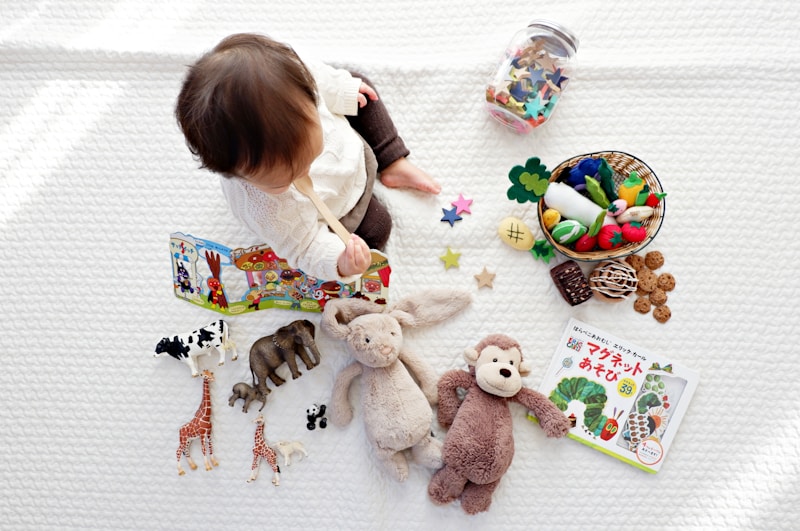
Here's something I wish I'd known earlier: children learn best through play and exploration, not through pressure and force. When we make learning fun, kids naturally engage. Play is the work of childhood. If you found this helpful, check out this technique.
The connection between parent and child is the foundation of everything else. When that relationship is strong, other challenges become much easier to navigate. Connection is the key to everything.
Age-Appropriate Approaches
We started this routine about six months ago. It taught me something valuable about learning. What surprised me most was. The connection between what we do at home and how our children develop is stronger than most parents realize. Every small action we take has an impact.
The best part about focusing on social is that it benefits the whole family. When kids develop these skills, relationships improve, stress decreases, and life just gets easier. It's a win-win situation for everyone involved. This is one of those investments that compounds over time.
This isn't about being a perfect parent. It's about being a present parent. Kids don't need perfection. They need to know you're there, trying, and caring about their growth. Presence matters more than perfection.
Building Good Habits
The research is clear on this one. Kids who are given appropriate challenges and support develop stronger skills than those who are either pushed too hard or left to figure things out alone. Balance is essential.
I've made plenty of mistakes along the way, but each one taught me something valuable. The important thing is to keep trying and learn from what doesn't work. Mistakes are part of the learning process, not failures. This is one of those investments that compounds over time. If you found this helpful, check out this technique.
Benefits for Your Child
One thing I've noticed with my own kids is that consistency matters more than perfection. You don't need to do everything exactly right. You just need to show up regularly and support their growth. The daily efforts add up over time.
Every child is different, so what works for one might not work for another. The key is observation and flexibility. Pay attention to what resonates with your child and adjust accordingly. Your child will guide you. Your kids will thank you someday.
I remember the first time my son tried this. It taught me something valuable about development. The results speak for themselves. The connection between what we do at home and how our children develop is stronger than most parents realize. Every small action we take has an impact.
Step-by-Step Guide
The research is clear on this one. Kids who are given appropriate challenges and support develop stronger skills than those who are either pushed too hard or left to figure things out alone. Balance is essential. The results might not be immediate, but they're building. If you found this helpful, check out these strategies.
What surprised me most was how much I learned through this process. Parenting isn't just about raising kids. It's about growing as a person yourself. The lessons go both ways. It's not always easy, but it's always worth it. If you found this helpful, check out this post.
Common Mistakes to Avoid
Every child is different, so what works for one might not work for another. The key is observation and flexibility. Pay attention to what resonates with your child and adjust accordingly. Your child will guide you. The results might not be immediate, but they're building.
Here's something I wish I'd known earlier: children learn best through play and exploration, not through pressure and force. When we make learning fun, kids naturally engage. Play is the work of childhood. The effort you put in now pays dividends later. If you found this helpful, check out this approach.
The best part about focusing on development is that it benefits the whole family. When kids develop these skills, relationships improve, stress decreases, and life just gets easier. It's a win-win situation for everyone involved. This is one of those investments that compounds over time.
Building Good Habits
I've spent years researching activity, and here's what stands out. Children thrive when they feel supported and understood. The key is finding approaches that match your child's unique personality and needs. What works for one child might not work for another, and that's perfectly fine.
The best part about focusing on social is that it benefits the whole family. When kids develop these skills, relationships improve, stress decreases, and life just gets easier. It's a win-win situation for everyone involved. This is one of those investments that compounds over time.
What I love about this approach is that it works for different ages and personalities. Whether your child is outgoing or shy, this can be adapted to fit their needs. Flexibility is the key to success. This is one of those investments that compounds over time. If you found this helpful, check out this resource.
Patience is probably the most important skill in parenting. Things take time, and rushing the process usually backfires. Give your child the space to grow at their own pace. Good things take time. It's not always easy, but it's always worth it. If you found this helpful, check out this technique.