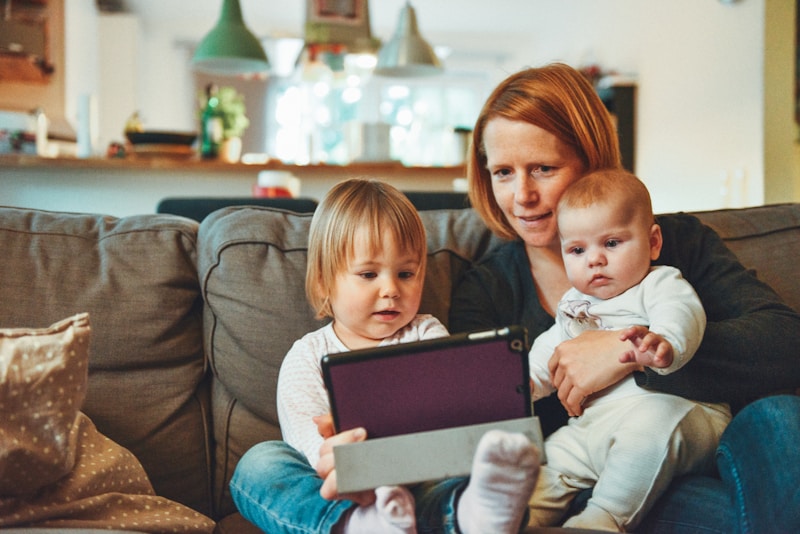
Let me guess. Dinnertime at your house looks something like this: everyone eats at different times, someone is watching a tablet at the table, and you are standing at the counter scarfing down leftovers while wrangling a fussy toddler. Sound about right? You are not alone in this struggle. The family dinner has become a casualty of modern life, sacrificed on the altar of busy schedules, extracurricular activities, and sheer parental exhaustion. But here is what the research overwhelmingly shows: that shared meal, even if it is pizza on paper plates eaten in fifteen minutes flat, might be one of the most powerful things you can do for your child development. And it has almost nothing to do with the food on the plate. It is about what happens around the table, the conversations, the connection, the feeling of belonging to something larger than yourself. That is the real nutrition for your child developing brain.
Why It Matters
Family meals are linked to a staggering range of positive outcomes for children across every measure. Studies consistently show that children who eat regular family meals have better academic performance, higher self-esteem, and lower rates of depression, anxiety, and substance abuse as they grow older. They have larger vocabularies, better social skills, and healthier eating habits that persist well into adulthood. And these benefits are dose-dependent in a clear way. The more meals you share together as a family, the stronger the effects are across the board. Even three or four meals per week make a meaningful, measurable, lasting difference in your child life trajectory. The mechanism behind these benefits is not mysterious at all. Family meals provide a consistent, predictable opportunity for genuine connection in an otherwise chaotic and fast-paced world. Around the table, children learn essential conversation skills: taking turns speaking, listening to others, sharing about their day, and expressing their opinions in a safe space without judgment. They learn family values and traditions that pass down through generations. They learn that they belong to something larger than themselves, a family unit that supports them. In a world where children are increasingly connected to screens and increasingly disconnected from people in real time, the family dinner table is one of the last remaining sacred spaces for undistracted human connection. And that connection is exactly what developing brains need most for healthy growth. The table is where lifelong memories are made, where children feel truly known and seen, and where the fabric of family is woven together one meal at a time.
The Science Behind It
Research on family meals is remarkably consistent across decades of study in different countries and cultures. A study published in the Journal of Adolescent Health found that adolescents who ate family meals five or more times per week were significantly less likely to engage in risky behaviors including smoking, drinking, and drug use. Another study from the University of Montreal found that children who had regular family meals showed better emotional regulation and fewer behavioral problems at school and at home. The benefits extend strongly to academics as well. A study from the National Center on Addiction and Substance Abuse at Columbia University found that regular family dinners were directly associated with higher grade point averages and greater academic motivation in students. But the science goes far beyond behavior modification. Family meals powerfully support language development in ways that other contexts cannot match. Researchers at Harvard University found that the conversations at family dinners contain more rare and complex words than any other context in a child daily life. These natural conversations expose children to vocabulary and sentence structures they simply do not encounter in books or screen time. The ritual of the family meal also helps regulate the body internal clock, known medically as the circadian rhythm. Eating at consistent times every day helps regulate sleep patterns, digestion, and energy levels throughout the day. The predictability of the meal itself reduces stress hormones and creates a sense of security that allows children to truly relax and be themselves without guard. When children feel safe and secure, their brains are wide open for learning, connection, and emotional growth.
Signs Your Family Needs More Mealtime Connection
How can you honestly tell if your family could benefit from more shared meals? If dinner is often eaten in front of a television or with individual screens, if family members eat separately more often than they eat together, if conversations at meals are mostly about logistics and discipline rather than genuine connection, if you cannot remember the last time you had a real conversation with your child that did not involve instructions or corrections, if meals feel perpetually rushed and stressful rather than enjoyable, and if your child seems disconnected from what is happening in the family, these are clear signs that actively prioritizing family meals could make a significant positive difference in your household. Even families who do eat together occasionally sometimes miss the full benefits if the emotional atmosphere is tense or if screens are present at the table. The quality of the interaction matters just as much as the frequency of meals. A fifteen-minute meal with engaged conversation and genuine laughter and connection is far more valuable than a long, silent meal where everyone is staring at their own plate or phone. Pay close attention to the emotional climate at your table. That tells you everything you need to know about whether your family meals are serving their deeper purpose.
Common Mistakes Parents Make
The most common mistake is giving up on family meals entirely because they are not perfect or Instagram-worthy. You do not need a home-cooked gourmet meal every single night to reap the benefits. Pizza night, breakfast for dinner, takeout from the local place, all of it counts equally. The food is not the point at all. The connection is the point. Another mistake is allowing any screens at the table during meals. Even a phone placed face down on the table sends the clear signal that something else is more important than the people sitting right there in front of you. Screens fragment everyone attention and prevent the kind of deep conversation that family meals are meant to foster. Some parents inadvertently turn mealtime into a daily battle zone over food choices and eating habits. If every meal involves pressure to eat vegetables, criticism about table manners, or arguments about what is on the plate, the negative emotional climate undermines all the potential benefits. Save the nutrition lessons for another time and focus entirely on connection during meals. Another common mistake is not involving children at all in meal planning and preparation. When children have genuine ownership and input over the meal, they are more engaged, more likely to eat what is served without complaint, and more likely to actively participate in conversation. Finally, many families simply do not prioritize shared meals in their schedule. Extracurricular activities, late work hours, and busy calendars push family meals to the very bottom of the priority list. If it genuinely matters for your family, it needs to get scheduled like everything else that matters.
Practical Tips for Meaningful Family Meals
Start by committing to a realistic number of shared meals per week that works for your family schedule. If zero is where you are starting from, aim for two or three meals together. Do not try to go from zero to seven overnight, that is a recipe for burnout and disappointment. Pick your anchor days that are consistent. Maybe Wednesday is always family dinner because there are no evening activities. Make it truly non-negotiable on those chosen days. Eliminate every screen from the table completely. No TV on in the background, no phones, no tablets at or under the table. This includes parents, who absolutely must model the screen-free behavior they want to see in their children. Put your own phone in another room during dinner if you have to. Create fun conversation starters that make talking natural and easy. Keep a jar of engaging questions on the table like "What was the best part of your day?" or "What is something you learned this week?" or "If you could have any superpower, what would it be?" or "Tell me something funny that happened today." These simple prompts turn mealtime into a game rather than an interrogation about schoolwork. Involve your child in meal preparation to build ownership and engagement. Even a toddler can wash vegetables or set the table with your guidance. Older children can help with simple cooking tasks like stirring, measuring ingredients, or chopping soft items with a safe knife. Ownership over the meal increases engagement and willingness to try what is served. Keep the conversation consistently positive. Avoid using mealtime for difficult discussions, corrections, or discipline of any kind. If there is a challenging topic to address, handle it at another time when everyone is not trying to eat and connect. Use meals specifically to build each other up, share highlights and funny stories, and laugh together as a family. Keep it short if that is what works for your family. A focused fifteen-minute meal where everyone is genuinely engaged and connected is far better than a drawn-out forty-five-minute meal where everyone is miserable or bored.
Frequently Asked Questions
Q: What if my family schedules make it impossible to eat together at dinner time? Be creative and flexible. If dinner simply does not work for your schedule, try breakfast together or weekend lunch instead. The specific meal matters far less than the consistent ritual of eating together without screens.
Q: How do I handle a picky eater at the table without creating tension every night? Offer the same food to everyone at the table, include at least one food your child reliably likes, and do not comment on what or how much they eat. The less pressure you apply, the more likely they are to try new things over time at their own pace.
Q: What age should we start having family meals together? As early as humanly possible. Even babies greatly benefit from simply sitting at the table during family meals, absorbing the language, social dynamics, and family rituals happening all around them.
Q: My teenager does not want to eat with us anymore. What should I do? Keep warmly inviting them without pressure or guilt. Maintain a positive atmosphere when they do choose to join. Do not interrogate them about school or friends the moment they sit down. Let them know the door is always open, and their seat at the table is always theirs.
Conclusion: Just Sit Down Together
Here is your official permission slip as a busy parent. Let go of all the pressure to create perfect, beautiful meals. Order takeout whenever you need to. Use paper plates to make cleanup easier. Keep it incredibly simple. What your child will remember most is not the menu or the presentation. It is the moment of being together. It is the warm feeling of being together, of being truly heard, of belonging somewhere unconditionally. That is what family meals are really all about at their core. And that is something every single family can create, no matter how busy, tired, or imperfect they feel. Start this very week. Pick one meal you can commit to. Put away all the screens. Sit down together at the table. Ask a genuine question. Really listen to the answer without interrupting. That is all it takes to begin changing everything for the better. The table is waiting for you. All you have to do is show up and be present.