
How to Start This Week
The research backs this up in a big way. Studies from Harvard and Stanford have shown that children who are given space to explore and make mistakes develop stronger problem-solving skills than those who are constantly directed. Letting go of control, even a little, can make a huge difference. The results might not be immediate, but they are building every single day.
There is no universal solution that works for every family. What matters is finding what works for your specific child and your specific situation. Be willing to experiment, observe what works, and adjust as needed. Flexibility is key.
Patience really is the most important ingredient in all of this. Growth takes time, and rushing the process usually backfires. Give your child the space to develop at their own pace and trust that the foundation you are building will pay off. Your kids will remember these moments long after you forget the details.
Age-Appropriate Approaches That Work
Patience really is the most important ingredient in all of this. Growth takes time, and rushing the process usually backfires. Give your child the space to develop at their own pace and trust that the foundation you are building will pay off.
I encourage you to try one new thing this week with your child. Just one. Start small, pay attention to how it goes, and build from there. Progress happens in small steps, not giant leaps. You have got this. It is not always easy, but it is always worth it. If you found this helpful, check out this approach.
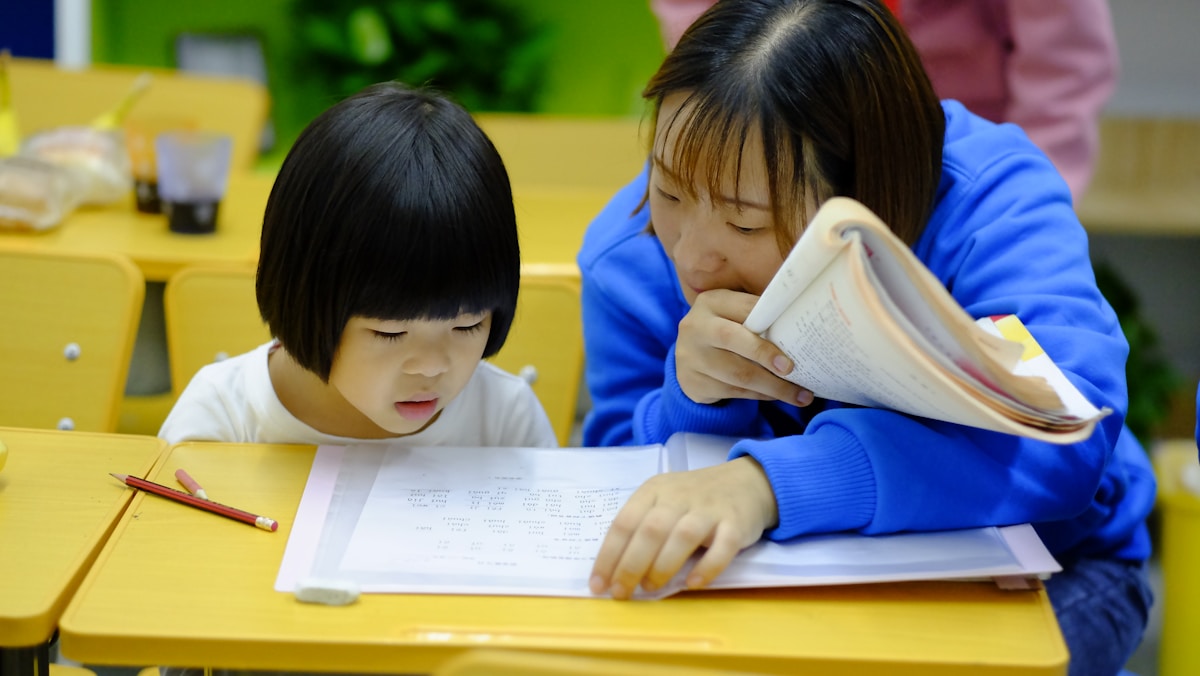
It was one of those moments that made me stop and really think about how we raise our kids. The way children process information is so different from how adults do it, and understanding that difference can change everything about how we teach them.
When to Push and When to Back Off
I used to think I had to have all the answers for my kids. Then I realized that my job is not to provide answers. It is to ask the right questions and guide them toward finding answers themselves. That shift in perspective changed our household dynamic completely.
Remember, you are doing better than you think you are. Parenting is the hardest job in the world, and the fact that you are reading this and trying to improve shows how much you care. Give yourself some credit. You are on the right track. Your kids will remember these moments long after you forget the details.
Adjusting for Different Personality Types
I have found that the simplest activities often produce the best results. You do not need to plan elaborate projects or buy specialized materials. Everyday moments like cooking together, walking in the park, or reading before bed are incredibly powerful.
Why Every Child Is Different
The research backs this up in a big way. Studies from Harvard and Stanford have shown that children who are given space to explore and make mistakes develop stronger problem-solving skills than those who are constantly directed. Letting go of control, even a little, can make a huge difference. It is not always easy, but it is always worth it. If you found this helpful, check out these strategies.
One thing I have learned the hard way is that pushing harder does not always mean getting better results. Sometimes stepping back and letting your child figure things out on their own is the most powerful thing you can do. It feels counterintuitive, but it works. The effort you put in now pays off later in ways you cannot yet imagine.
One thing I have learned the hard way is that pushing harder does not always mean getting better results. Sometimes stepping back and letting your child figure things out on their own is the most powerful thing you can do. It feels counterintuitive, but it works. If you found this helpful, check out this resource.
Why Kids Respond Well to This Approach
There is no universal solution that works for every family. What matters is finding what works for your specific child and your specific situation. Be willing to experiment, observe what works, and adjust as needed. Flexibility is key.
Making It Fun and Engaging
Patience really is the most important ingredient in all of this. Growth takes time, and rushing the process usually backfires. Give your child the space to develop at their own pace and trust that the foundation you are building will pay off. If you found this helpful, check out this post.
It was one of those moments that made me stop and really think about how we raise our kids. The way children process information is so different from how adults do it, and understanding that difference can change everything about how we teach them.
The bond between you and your child is the foundation of everything else. When that relationship is strong and trusting, everything else becomes easier. When there is tension or disconnect, even the best activities and strategies fall flat. Your kids will remember these moments long after you forget the details.
Adapting the Method for Younger Kids
The journey of watching your child grow is full of surprises. Some days will be frustrating and some days will be magical. The important thing is to keep showing up, keep trying, and keep believing in your child's potential even when progress seems slow.
Building Skills That Last a Lifetime
I encourage you to try one new thing this week with your child. Just one. Start small, pay attention to how it goes, and build from there. Progress happens in small steps, not giant leaps. You have got this.
Remember, you are doing better than you think you are. Parenting is the hardest job in the world, and the fact that you are reading this and trying to improve shows how much you care. Give yourself some credit. You are on the right track.
A Step-by-Step Breakdown
The journey of watching your child grow is full of surprises. Some days will be frustrating and some days will be magical. The important thing is to keep showing up, keep trying, and keep believing in your child's potential even when progress seems slow.
The best part about focusing on this with your kids is watching them surprise you. They will come up with solutions you never would have thought of. Their brains work in ways that are genuinely amazing if you give them the chance to show you.
I used to think I had to have all the answers for my kids. Then I realized that my job is not to provide answers. It is to ask the right questions and guide them toward finding answers themselves. That shift in perspective changed our household dynamic completely. It is not always easy, but it is always worth it.
Practical Tips You Can Use Today
I have spent a lot of time researching this topic, and here is what keeps coming up. Kids learn best when they feel safe, when they are curious, and when the pressure is off. It sounds simple, but actually creating those conditions at home takes practice.
Other parents have told me similar stories. We all go through the same ups and downs, the same moments of doubt and the same moments of pride. Knowing you are not alone in this journey makes it a lot less stressful.
The journey of watching your child grow is full of surprises. Some days will be frustrating and some days will be magical. The important thing is to keep showing up, keep trying, and keep believing in your child's potential even when progress seems slow. Your kids will remember these moments long after you forget the details.
The Parent's Role in the Process
This is not about creating a perfect learning environment. It is about creating a supportive one. Kids do not need perfection. They need to know that you care, that you are present, and that it is okay to make mistakes along the way.
Patience really is the most important ingredient in all of this. Growth takes time, and rushing the process usually backfires. Give your child the space to develop at their own pace and trust that the foundation you are building will pay off.
How to Stay Consistent
What surprised me most was how much I grew as a parent through this process. Teaching your child these skills teaches you about yourself too. It is a two-way street, and the lessons go both directions if you are open to receiving them. The effort you put in now pays off later in ways you cannot yet imagine.
One thing I have learned the hard way is that pushing harder does not always mean getting better results. Sometimes stepping back and letting your child figure things out on their own is the most powerful thing you can do. It feels counterintuitive, but it works. The effort you put in now pays off later in ways you cannot yet imagine.
I used to think I had to have all the answers for my kids. Then I realized that my job is not to provide answers. It is to ask the right questions and guide them toward finding answers themselves. That shift in perspective changed our household dynamic completely. It is not always easy, but it is always worth it.
Benefits You Will Notice Quickly
The evidence is overwhelming on this point. Children who engage in regular brain-stimulating activities show measurable improvements in cognitive function within weeks. It does not take months or years. You can see changes relatively quickly if you stay consistent. The results might not be immediate, but they are building every single day.
I used to think I had to have all the answers for my kids. Then I realized that my job is not to provide answers. It is to ask the right questions and guide them toward finding answers themselves. That shift in perspective changed our household dynamic completely.
One thing I have learned the hard way is that pushing harder does not always mean getting better results. Sometimes stepping back and letting your child figure things out on their own is the most powerful thing you can do. It feels counterintuitive, but it works. It is not always easy, but it is always worth it.
Lessons I Learned the Hard Way
Creating a positive learning environment at home does not require a complete overhaul of your daily routine. Small, consistent changes add up to significant results over time. Start with one thing and build from there. Do not try to change everything at once. It is not always easy, but it is always worth it.
Creating a positive learning environment at home does not require a complete overhaul of your daily routine. Small, consistent changes add up to significant results over time. Start with one thing and build from there. Do not try to change everything at once. Your kids will remember these moments long after you forget the details.