Art Is Brain Work
When my daughter paints, she's not just making a mess. She's building her brain. Every brush stroke strengthens neural pathways. Every color choice activates decision-making centers. Art is serious brain work disguised as fun.
Research confirms what parents intuitively know. Children who engage in creative arts perform better academically. They score higher on tests. They solve problems more creatively. Art isn't a luxury. It's a necessity for brain development.
How Art Activates the Brain
Art engages the whole brain. The right hemisphere handles creativity and emotion. The left hemisphere handles logic and language. Both work together during artistic activities.
When your child draws a picture, they make hundreds of decisions. What colors? What shapes? Where to place things? This decision-making process builds executive function skills.
Have you watched your child draw? Really watched? The concentration is intense. That focused attention is building neural connections. It's training the brain for deep learning.
Painting and Brain Development
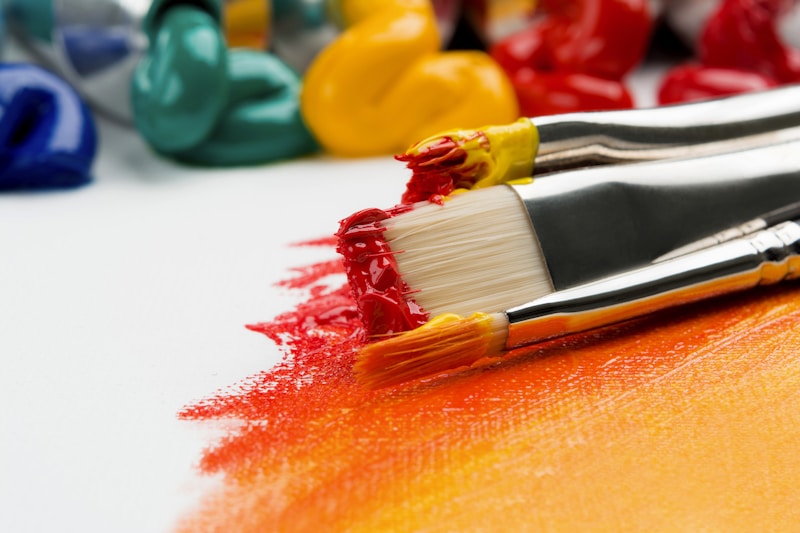
Painting is one of the most powerful art activities for the brain. It engages sensory, motor, and cognitive systems simultaneously.
Finger painting develops tactile awareness. It strengthens hand muscles. It teaches cause and effect. When my son mixes red and blue paint, he discovers purple. That's science and art combined.
Watercolor painting develops fine motor control. It teaches patience. It introduces color theory. These are foundational skills for writing and math.
Drawing and Cognitive Growth
Drawing develops spatial awareness. It teaches proportion and perspective. It builds observation skills. Children who draw regularly see details others miss.
Start with simple shapes. Circles, squares, triangles. Then combine them. Draw houses, cars, people. This progression teaches geometric thinking. My daughter draws people with increasing detail. She's observing and recording the world around her.
Music and the Musical Brain
Music activates more brain regions than any other activity. It engages auditory, motor, and emotional centers simultaneously.
Singing together builds language skills. Rhythm activities develop pattern recognition. Instrument play strengthens fine motor coordination. My son started drumming at two. His rhythm sense improved. His coordination improved. His mood always improved.
Have you noticed how your child responds to music? Their whole body lights up. That's their brain activating multiple regions at once.
Dance and Movement
Dance combines physical activity with artistic expression. It develops body awareness and spatial orientation. It teaches rhythm and coordination.
Put on different music styles. Classical. Jazz. Pop. World music. Let your child move freely. Watch how their body interprets different sounds. They're learning to express themselves physically and emotionally.
Drama and Pretend Play
Dramatic play develops imagination and social understanding. Children practice different roles. They explore emotions. They develop empathy.
Provide costumes and props. Let your child create their own stories. Join in when invited. Don't direct. Follow their lead. They're developing narrative skills and emotional intelligence.
Crafts and Construction
Building and crafting activities develop planning skills. Children visualize an outcome. They select materials. They execute their plan. This is executive function training.
Simple crafts like paper chains and cardboard constructions teach engineering principles. Children learn about balance, structure, and design. These are STEM skills in disguise.
Making Art Accessible
Art supplies should be available at all times. Not packed away. Not restricted. Set up an art station with basic materials. Paper, crayons, markers, glue, scissors. Let your child create whenever inspiration strikes.
Don't judge the product. Process matters more than product. A scribble that took concentration is more valuable than a perfect picture copied from an adult. The brain benefits come from the doing, not the result.
Art in Daily Life
Art isn't just for designated art time. It's everywhere. Drawing in sand. Singing in the car. Dancing in the kitchen. Make creativity part of daily life.
Your child's brain craves creative expression. Feed that craving. Watch them grow. The benefits extend far beyond art class.
What art activities does your child love? Share your family's creative adventures in the comments.