
How Children Grow and Develop
Growth and development aren't the same thing. Growth refers to physical changes "” getting taller, heavier, and stronger. Development refers to skills and abilities "” walking, talking, thinking, and socializing. Both happen in predictable stages, but each child's timeline is unique.
Understanding these stages helps you support your child's development and know when to seek help if something seems off.
Stage 1: The Reflexive Stage (0-2 months)
Newborns operate entirely on reflexes "” sucking, grasping, startling, and rooting. These automatic responses keep them alive while their conscious brain develops.
Physical: Lifts head briefly during tummy time, closes fist tightly around anything touching palm, startles at loud sounds.
Cognitive: Focuses on faces 8-12 inches away, tracks moving objects briefly, prefers high-contrast patterns.
Language: Cries to communicate needs, begins cooing around 6-8 weeks.
Social: Makes eye contact during feeding, recognizes parent's voice and scent.
Stage 2: The Responsive Stage (2-4 months)
Babies begin responding to their environment intentionally. Social smiling appears, and they start to interact.
Physical: Holds head steady, reaches for objects, rolls from tummy to back.
Cognitive: Follows moving objects, explores hands and feet, shows interest in mirrors.
Language: Cooing becomes more complex, laughs and squeals, responds to familiar voices.
Social: Social smile appears, recognizes familiar faces, enjoys being held by others.
Stage 3: The Explorer Stage (4-8 months)
Movement becomes purposeful. Babies reach, grasp, roll, and begin exploring everything with their mouths.
Physical: Rolls both ways, sits with support, begins reaching and grasping, puts everything in mouth.
Cognitive: Explores objects by shaking, banging, and mouthing, understands object permanence begins, looks for hidden objects.
Language: Babbling with consonants (bababa, mamama), responds to name, understands "no."
Social: Stranger anxiety peaks, plays peek-a-boo, shows affection to familiar people.
Stage 4: The Mobile Stage (8-14 months)
Crawling, pulling up, and eventually walking transform the baby's world. Independence emerges.
Physical: Crawls, pulls to standing, cruises along furniture, walks with help, first independent steps around 12 months.
Cognitive: Points to things, follows simple instructions, finds hidden objects, uses objects correctly (phone to ear).
Language: First words appear, says 1-3 words by 12 months, understands many more words than they can say.
Social: Waves bye-bye, shows affection, separation anxiety peaks, imitates actions.
Stage 5: The Toddler Stage (1-2 years)
Walking brings freedom. Language explodes. Independence and willpower emerge full-force.
Physical: Walks independently, runs (clumsily), climbs stairs, kicks ball, scribbles, stacks 2-4 blocks.
Cognitive: Sorts shapes and colors, completes simple puzzles, engages in pretend play, follows two-step instructions.
Language: Vocabulary grows from 10 words to 200+ words, two-word phrases appear, strangers understand about 25% of speech.
Social: Parallel play with other children, shows independence ("me do it"), tantrums when frustrated, imitates adults.
Stage 6: The Preschool Stage (2-4 years)
Imagination flourishes. Social awareness develops. Language becomes complex and creative.
Physical: Runs and jumps, pedals tricycle, uses scissors, draws circles and lines, dresses with help.
Cognitive: Counts to 3+, sorts by category, asks "why" constantly, understands "same" and "different."
Language: Three to four-word sentences, vocabulary grows to 1,000+ words, strangers understand about 75% of speech by age 4.
Social: Cooperative play begins, develops friendships, shows empathy, negotiates with peers, understands rules.
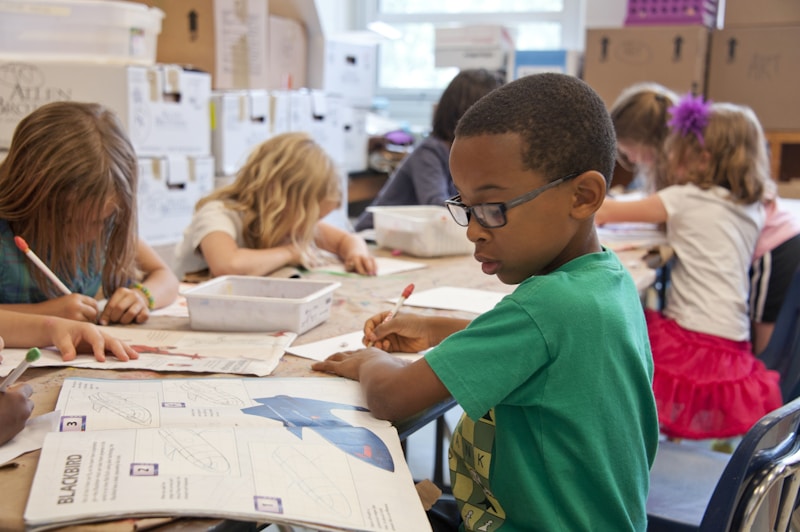
Stage 7: The Early School Stage (4-7 years)
School introduces structured learning. Academic skills develop rapidly. Social relationships become complex.
Physical: Hops on one foot, catches ball, writes letters and numbers, ties shoelaces, uses keyboard.
Cognitive: Counts to 100, reads simple books, understands time concepts, draws detailed pictures, writes sentences.
Language: Vocabulary of 2,500-5,000+ words, complex sentences, tells stories, uses humor.
Social: Close friendships, understands fairness, cooperates in groups, shows concern for others, develops moral reasoning.
Supporting Development at Every Stage
Across all stages, the fundamentals remain the same:
- Responsive caregiving: Respond to your child's needs consistently and warmly
- Rich language exposure: Talk, read, and sing constantly
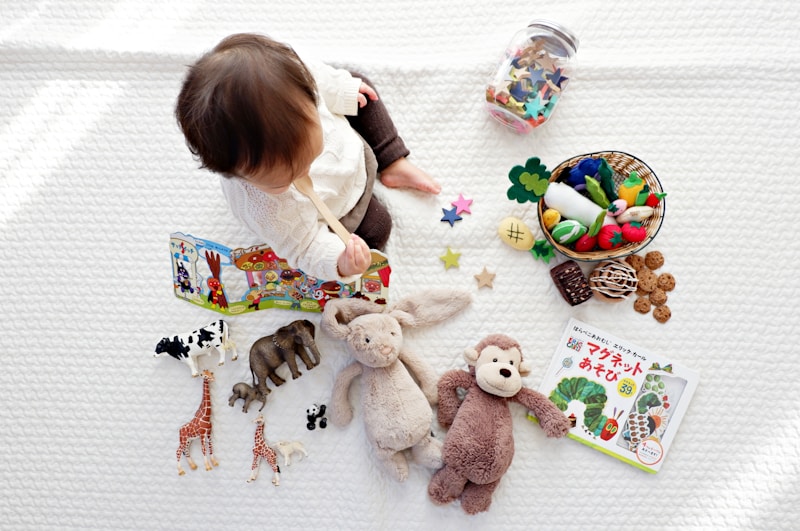
- Play: Provide age-appropriate toys and opportunities for free play
- Nutrition: Feed a balanced diet with brain-boosting foods
- Sleep: Ensure adequate, quality sleep for their age
- Physical activity: Daily movement and outdoor time
When Development Goes Off Track
Every child develops at their own pace, but significant delays across multiple areas warrant evaluation. Trust your instincts. If your child is consistently several months behind in multiple areas, talk to your pediatrician.
Frequently Asked Questions
Is it normal for children to develop at different rates?
Absolutely. A child who walks at 9 months and one who walks at 15 months are both within normal range. The concern is when a child is significantly behind in multiple areas.
Can I speed up development?
You can't rush milestones, but you can create an environment that supports optimal development through responsive parenting, play, nutrition, and sleep.
Every Stage Is Extraordinary
Each stage of development brings new wonders and new challenges. The baby who couldn't lift their head will soon be reading books. The toddler who could only say "mama" will soon tell you stories. Enjoy each stage "” they pass more quickly than you think.