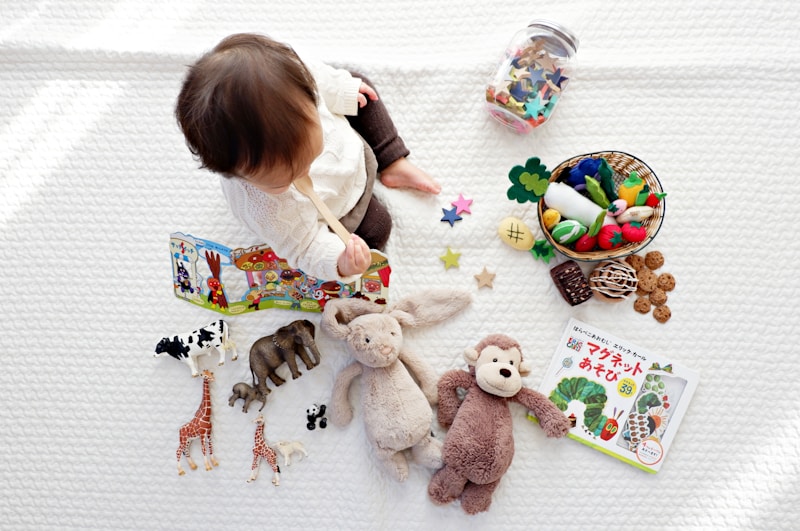
Learning at Six Months
Six months feels both early and late at the same time. Early because they're still so small. Late because you've already missed several months of potential learning. But here's the truth: six months is an excellent time to start.
What a Six-Month-Old Can Actually Learn
Your baby can learn recognition, pattern identification, cause and effect, object permanence, and social cues. These aren't abstract concepts. They're foundational skills that support all future learning.
When my daughter was six months, she could recognize familiar faces, respond to her name, and show preferences for certain toys and books. That's learning in action.
Right Brain Activities for Six-Month-Olds
At this age, activities should be short, engaging, and play-based. Flashcard sessions work well if kept brief, 2-3 minutes maximum. High-contrast images work best. Black and white or bright primary colors capture their attention.
Tummy time with interesting objects to look at develops visual tracking. Peek-a-boo builds object permanence. Singing and talking develop language foundations.
What to Expect
Don't expect formal learning outcomes. Your baby won't be reciting ABCs or counting to ten. Instead, look for engagement, eye contact, smiles, and interest in the activities.
These positive responses indicate that learning is happening, even if it doesn't look like traditional education.
The Attention Span Factor
A six-month-old's attention span is measured in seconds, not minutes. This is normal. Short, frequent sessions work much better than longer, forced ones.
Follow your baby's lead. When they lose interest, stop. Try again later. Consistency over time matters more than any single session.
Signs It's Working
You'll notice your baby tracking flashcards with their eyes. They might reach for cards, vocalize in response, or show excitement when they see familiar images. These are all positive signs.
Don't worry if your baby seems indifferent sometimes. Even passive observation is learning. Their brain is absorbing information regardless of their visible response.
Common Concerns
Some parents worry about overwhelming their baby. Trust your instincts. If your baby seems stressed or unhappy, stop and try again later. The goal is joyful learning, not pressured performance.
Every baby is different. What works for one might not work for another. Be flexible and patient.