
Confidence Comes from Competence
When my daughter was 3, she was terrified of the slide. I could have pushed her. Instead, I helped her climb the small ladder first. Then the medium one. Then the big one. She built confidence through success.
Confidence isn't about praise. It's about capability. When kids master skills, confidence follows naturally. It's a byproduct of development.
I remember when my son finally tied his shoes. He was 5 and beaming. That confidence carried over to other areas. He believed he could learn hard things.
The Brain-Confidence Connection
Have you noticed how confident kids try harder? That's because confidence creates a positive feedback loop. Success breeds more success.
The brain's reward system activates when kids succeed. Dopamine floods the brain, making them want to repeat the experience. That's motivation.
Fear of failure shrinks possibilities. Confident kids take risks. They're not afraid to try because they believe in their ability to learn.
Activities That Build Competence
Progressive challenges work. Start easy, increase difficulty gradually. My kids went from simple puzzles to complex ones over months.
Skill-based activities build mastery. Cooking, gardening, building; these teach real skills. My daughter's confidence soared when she baked her first cake.
Creative expression builds confidence. Art, music, writing; these require practice and produce visible results. My son's drawings improved dramatically.
The Role of Failure
Failure is a teacher, not an enemy. When my daughter's block tower fell, she learned about balance. That knowledge built confidence for the next attempt.
Resilience comes from overcoming challenges. Kids who never fail never learn to recover. Let them struggle a little.
Modeling failure helps. When I fail at something, I talk about it. "That didn't work. Let's try something different." It normalizes failure.
Age-Appropriate Challenges
Toddlers build confidence through physical milestones. Walking, climbing, stacking; these build body confidence.
Preschoolers gain confidence through social skills. Making friends, sharing, cooperating; these build social confidence.
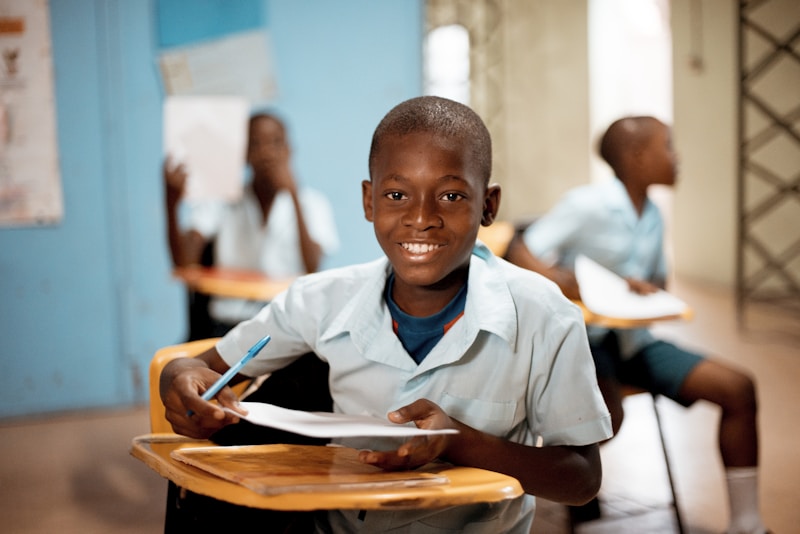
School-age kids build confidence through academic mastery. Reading, math, projects; these build intellectual confidence.
The Parent's Role
Provide scaffolding, not rescue. Help just enough so they succeed on their own. My son learned to ride his bike with my support, not my carrying him.
Celebrate effort, not just outcomes. "You worked so hard on that" builds more confidence than "You're so smart."
Be their safe base. Kids explore more when they know they can return to safety. That security builds confidence.
Confidence: Built, Not Born
Confidence isn't a personality trait; it's a skill. It's built through experiences of mastery. Your child can develop it with the right activities.
Provide challenges, celebrate effort, and let them struggle. Confidence will grow naturally.
Watch your child's confidence bloom. It's one of the most rewarding parts of parenting.


