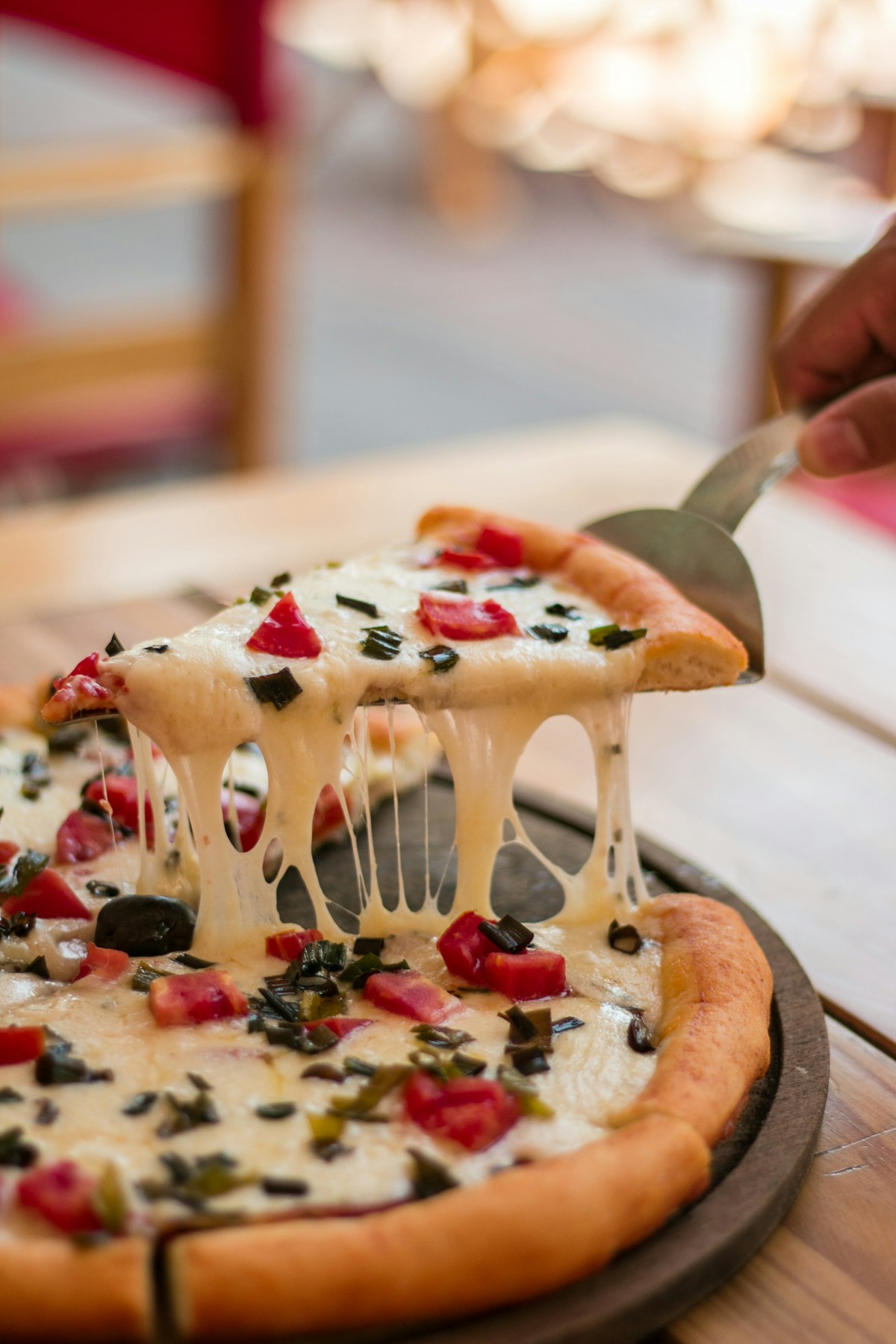

You have been there. You spend time preparing a balanced meal. Vegetables, protein, whole grains. You set it down with hope in your heart. And your child takes one look and says I am not eating that. It is frustrating, exhausting, and personal. But here is the thing: the problem is rarely the food. It is how the food is presented.
Why It Matters
Childhood eating habits track into adulthood. The way you present food now shapes your child relationship with food for life. If mealtime becomes a battle, your child learns to associate healthy food with stress. But if you can make the plate appealing, fun, and low-pressure, you are setting them up for a lifetime of better choices.
Signs to Watch
If your child refuses entire food groups, eats fewer than ten different foods, or cries at the sight of vegetables, you are dealing with more than pickiness. These are signs that the approach to mealtime needs to change. The good news is that even extreme picky eating can improve with the right strategies.
The Science Behind It
Children are biologically programmed to be wary of new foods. It is an evolutionary survival mechanism. It can take ten to fifteen exposures to a new food before a child accepts it. Not bites. Exposures. Seeing it on the plate, touching it, smelling it, and eventually tasting it. Pressure backfires because it increases anxiety around food.
Common Mistakes
Hiding vegetables in food might work in the short term, but it does not teach children to actually like vegetables. Making separate meals for kids and adults sets a bad precedent. Using dessert as a reward for eating vegetables makes vegetables seem like punishment and dessert like the prize.
Practical Tips
Involve your child in meal planning and cooking. Offer choices between two healthy options. Serve vegetables first when they are hungriest. Use fun shapes and colorful arrangements. Keep reintroducing rejected foods without pressure. And most importantly, eat the same food yourself and show enthusiasm.
Success Story
One dad told me his son would only eat pasta and chicken nuggets for two years. After implementing a no-pressure exposure strategy, serving one new vegetable alongside familiar foods every night, it took four months, but his son eventually tried broccoli. By the end of the year, he was asking for roasted carrots. Patience paid off.
FAQs
Q: Should I force my child to clean their plate? No. That teaches them to ignore their body fullness cues. Let them stop when they are full.
Q: What if my child refuses everything I serve? Stay calm. Offer one safe food they like alongside new foods. Do not make a separate meal.
Key Takeaways
It takes 10-15 exposures before a child accepts a new food. Pressure makes picky eating worse. Involve kids in cooking. Eat together as a family. Model healthy eating yourself. Patience and consistency win over time.
Build a Better Plate Tonight
Start with one small change tonight. Add a vegetable to a meal your child already likes. No pressure, no comments. Just put it on the plate and see what happens. You might be surprised.