
Why Brain Milestones Matter
Brain development milestones are markers that indicate your child's cognitive abilities are progressing normally. These benchmarks help parents and educators understand what to expect at different ages and identify any potential delays early on. Early intervention can make a significant difference in a child's long-term development and academic success. Knowing what to look for empowers parents to support their child's growth effectively.
While every child develops at their own pace, understanding general timelines provides a helpful framework. It's important to remember that these milestones are guidelines, not rigid rules. Some children reach certain milestones earlier or later than average, and that's perfectly normal. What matters is overall progress and growth over time, not hitting every target on a specific date.
Birth to Three Months
During the first few months of life, babies are rapidly developing their sensory processing abilities. They begin to recognize faces, follow moving objects with their eyes, and respond to sounds. By three months, most babies can lift their head, smile socially, and show interest in their surroundings. These early developments lay the groundwork for all future learning and social interaction.
This period is crucial for establishing the neural pathways that will support future learning. Talking, singing, and making eye contact with your baby helps build the foundation for language development and emotional bonding. Every interaction during these early weeks and months contributes to your child's brain architecture in profound ways.
Six to Nine Months
Between six and nine months, babies typically begin crawling, which opens up a whole new world of exploration. They start to understand object permanence, recognizing that things continue to exist even when hidden. Their memory skills improve significantly during this period, and they begin to remember people and objects even when they're not present. This growing awareness of the world around them is exciting to watch.
Social and emotional development also accelerates during this phase. Babies develop stranger anxiety, form attachments to primary caregivers, and begin to express emotions more clearly. Providing a safe, stimulating environment encourages healthy brain growth during this critical phase of development. Your response to their cues helps build trust and security.
One Year Old
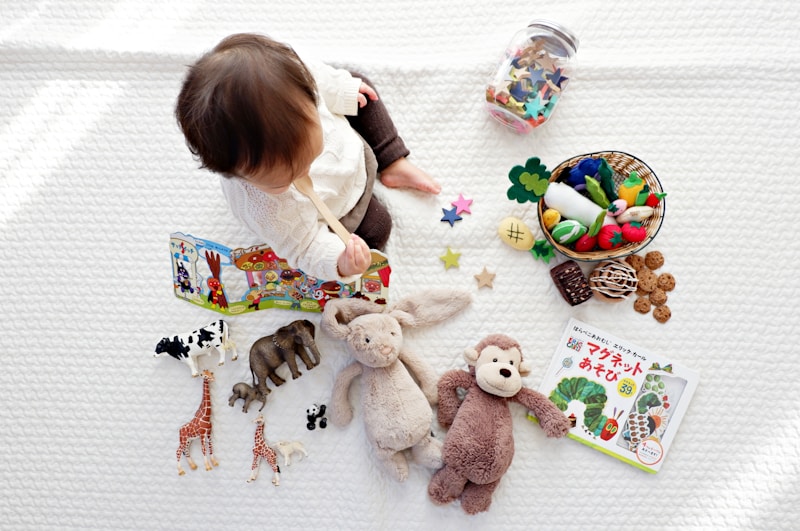
By their first birthday, most children can stand independently, take their first steps, and say a few words. Their cognitive abilities are expanding rapidly, and they're beginning to understand cause and effect. Simple cause-and-effect toys like pop-up games and stacking blocks support this developing understanding of how the world works. Every new skill builds upon previous achievements.
Language development accelerates during this period. Children start understanding more words than they can say, and their comprehension grows daily. Reading aloud, naming objects, and engaging in simple conversations all support healthy brain development and vocabulary growth. The language environment you create has lasting effects.
Toddler Years (1-3)
The toddler years are marked by rapid language development, emerging independence, and increasing curiosity. Children begin to sort objects by shape and color, follow simple instructions, and engage in pretend play. These activities indicate growing cognitive abilities and problem-solving skills that will serve them throughout their lives. The toddler phase is full of discovery and growth.
Physical development during this period supports brain growth as well. Walking, running, and climbing help develop spatial awareness and coordination, while fine motor activities like drawing and building with blocks strengthen hand-eye coordination. The connection between physical and cognitive development is strong during these years, and active play supports both.
Preschool Years (3-5)
During the preschool years, children develop more complex thinking skills. They begin to understand time concepts, can count to ten or higher, and start recognizing letters and numbers. Their imagination flourishes, leading to elaborate pretend play scenarios that support creative thinking and problem-solving. These years lay the foundation for academic learning.
Social skills also develop significantly during this period. Children learn to share, take turns, and cooperate with peers. These interactions help develop emotional intelligence and prepare them for the structured environment of school. The social skills developed during preschool years form the foundation for future relationships and classroom success.
Early School Age (5-7)
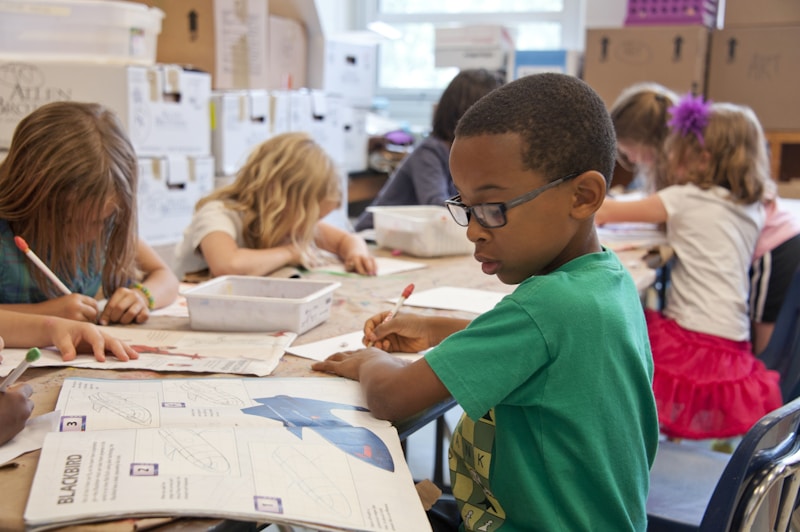
When children enter school, their cognitive abilities continue to develop rapidly. They begin to read, write, and perform basic math operations. Their attention span increases, and they can focus on tasks for longer periods. Memory and recall abilities improve significantly, supporting academic learning across all subjects. This is an exciting time of rapid growth and discovery.
This period is crucial for establishing academic foundations. Supporting your child's learning through reading, educational games, and positive reinforcement helps build confidence and a love for learning that can last a lifetime. The habits and attitudes formed during these early school years influence academic performance for years to come.
Middle Childhood (7-10)
Children in middle childhood develop more sophisticated thinking abilities. They can understand abstract concepts, think logically, and solve complex problems. Their memory continues to improve, and they become better at organizing information and managing their time. These cognitive advances support increasingly complex academic demands across all subjects.
Social and emotional development also progresses during this period. Children develop a stronger sense of self, form deeper friendships, and begin to understand others' perspectives. These skills are essential for success in school and life, and they continue to develop throughout childhood and adolescence in ways that shape their identity.
Supporting Brain Development at Home
Parents can support brain development through everyday activities. Reading together, playing educational games, encouraging physical activity, and limiting screen time are all effective strategies. Providing a nurturing, stimulating environment helps children reach their full potential without pressure or stress. Home is the first and most important classroom.
Consistency and routine also play important roles in brain development. Regular sleep schedules, meal times, and learning activities create a stable foundation that supports cognitive growth and emotional well-being. Children thrive when they know what to expect and feel secure in their environment. Predictability creates safety for learning.
When to Seek Professional Help
While variation in development is normal, certain red flags may indicate the need for professional evaluation. Significant delays in speech, motor skills, or social interaction should be discussed with a pediatrician. Early intervention services can provide critical support when needed, and the sooner concerns are addressed, the better the outcomes. Don't hesitate to reach out for help.
Trust your instincts as a parent. If something doesn't feel right about your child's development, don't hesitate to seek guidance. It's always better to address concerns early rather than wait and worry. Professionals can provide reassurance or connect you with resources that support your child's growth and development.
The Role of Nutrition in Brain Development
Adequate nutrition plays a vital role in brain development. Essential fatty acids, iron, zinc, and other nutrients support healthy brain growth and function. A balanced diet rich in fruits, vegetables, whole grains, and lean proteins provides the building blocks for optimal cognitive development during these critical years. Good nutrition is an investment in your child's future.
Staying hydrated and getting enough sleep are also important for brain health. Children who are well-rested and properly nourished tend to have better concentration, memory, and overall cognitive performance. These basic needs form the foundation upon which all learning is built. Never underestimate the power of healthy habits.
Celebrating Each Milestone
Every milestone your child reaches is worth celebrating. These achievements represent hard work, growth, and progress. By acknowledging and celebrating each step, you help build your child's confidence and motivation to keep learning and growing. The journey of brain development is a remarkable one, and every moment matters. Your support and encouragement make all the difference in your child's developmental journey and help them thrive.