
Why Creativity Is the Ultimate Brain Booster
I used to think creativity was about being artistic. Drawing, painting, making music. Then I learned that creativity is actually a way of thinking. It's about making connections between different ideas, approaching problems from new angles, and thinking outside the box. And it's one of the most powerful brain boosters available.
The research is clear: creative activities develop neural pathways that improve problem-solving, critical thinking, and academic performance across all subjects. Creative kids aren't just better at art. They're better at everything.
The best part is that creativity can be developed through practice. It's not a fixed trait you either have or don't. With the right activities, you can help your child become more creative, innovative, and mentally flexible. Let me share what's worked for our family.
The Science of Creative Thinking
Creativity isn't magic. It's the brain making connections between seemingly unrelated ideas. When you're creative, your brain is literally building new neural pathways and strengthening connections between different regions.
The right brain is particularly involved in creative thinking. It processes information holistically, sees patterns, and makes intuitive connections. Activities that engage the right brain directly enhance creative capacity.
Neuroscience shows that creative activities increase brain plasticity, the brain's ability to form new connections. This means creative kids have brains that are more adaptable, flexible, and capable of learning new things.
Open-Ended Art Projects
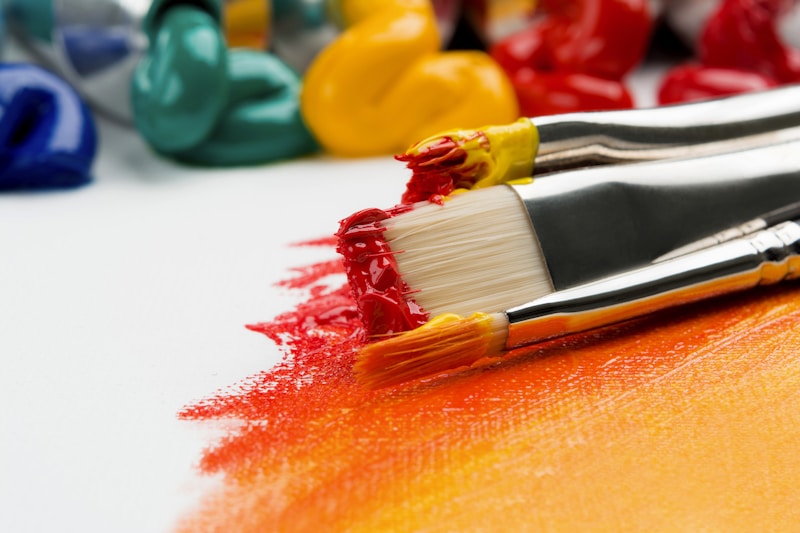
Art is one of the most direct paths to creativity, but not all art activities are equally creative. Process art, where the focus is on creating rather than following instructions, develops creativity more effectively than copy-and-paste crafts.
Give kids open-ended art materials and let them create without specific goals. "Make something that makes you happy" is more creative than "copy this picture." The freedom to create develops original thinking.
Mixed media art is particularly powerful. Combining drawing with collage, painting with sculpture, or digital art with physical materials encourages kids to think across boundaries and make unexpected connections.
Imaginative Play Scenarios
Imaginative play is the original creative activity. When kids create imaginary worlds, they're developing creativity, narrative thinking, and problem-solving skills simultaneously.
Provide open-ended props that encourage imaginative play. A cardboard box can become a spaceship, a castle, or a time machine. The less specific the prop, the more imagination is required.
Join the play as a participant, not a director. Let your child lead the narrative. Ask questions that extend the scenario: "What happens next?" "How will you solve that problem?" This builds creative thinking while bonding.
Creative Problem-Solving Challenges
Present problems that require creative solutions. These challenges develop the ability to think flexibly and approach situations from different angles.
The "what can you make with..." challenge is simple but effective. Give kids a few random objects and challenge them to create something. "What can you make with a paper clip, a rubber band, and a piece of string?"
Real-world problems also develop creativity. "How could we organize your toys better?" "How could we make bedtime easier?" These problems require creative thinking and give kids ownership of solutions.
Creative Writing and Storytelling
Writing and storytelling develop creative thinking in powerful ways. They require kids to generate ideas, organize thoughts, and express themselves originally.
Storytelling chains, where each person adds a sentence to a story, develop collaborative creativity. The story often takes unexpected turns, which?? creative thinking.
Journaling, even simple picture journaling, encourages creative reflection. Kids express their thoughts, observations, and ideas in their own unique way. This develops both creativity and self-awareness.
Music and Creative Expression
Music is a direct path to creative expression. Making music, whether formally or informally, develops creativity, emotional expression, and cognitive flexibility.
Free-form music making is particularly beneficial. Let kids experiment with instruments, make up songs, and create their own music. The process of creating music develops creative thinking.
Songwriting combines creativity with language skills. Write silly songs about everyday activities, create melodies for poems, or make up lyrics to familiar tunes. This playful approach to music develops creative confidence.
Creative Building and Construction
Building activities provide endless creative opportunities. The key is providing materials and letting kids create without specific instructions or expectations.
LEGO free-build is creative gold. Instead of following instructions, give kids a pile of bricks and let them create whatever they imagine. This develops spatial reasoning and creative problem-solving.
Unconventional building materials spark creativity. Cardboard boxes, tape, string, and recycled materials become building supplies. The limitations of these materials actually enhance creativity by requiring innovative solutions.
Cooking as Creative Activity
Cooking is creative science. It combines following procedures with creative decisions about flavors, presentations, and modifications. It's a delicious way to develop creativity.
Let kids create their own recipes. Start with basic guidelines and let them experiment with flavors and combinations. "What do you think would taste good together?" encourages creative thinking.
Food presentation is visual creativity. Let kids arrange food in creative ways, make faces on plates, or create food art. This develops visual creativity while making meals more appealing.
Creative Movement and Dance
Movement and dance are physical creativity. They develop body awareness, emotional expression, and creative thinking through physical activity.
Free dance to music is simple but powerful. Put on different types of music and let kids move however they feel. This develops creative expression and emotional intelligence.
Storytelling through movement combines narrative with physical expression. "Show me how a bear moves through the forest" develops creative interpretation and physical coordination.
Digital Creative Tools
Technology provides powerful creative tools when used intentionally. Digital art, music production, and coding are all creative activities that develop technical skills alongside creativity.
Drawing apps on tablets provide unlimited creative potential. Kids can experiment with colors, textures, and styles without the mess of traditional art supplies. Many apps provide tutorials that teach creative techniques.
Video creation combines multiple creative skills: storytelling, visual composition, editing, and sound design. Kids create complete creative works from concept to finished product.
Creative Thinking Games
Games designed to develop creative thinking provide structured practice in creative skills. These games make creativity development fun and engaging.
Brainstorming games challenge kids to generate as many ideas as possible for a given prompt. "How many uses can you think of for a paper clip?" Quantity leads to quality in creative thinking.
Lateral thinking puzzles require creative solutions. These riddles can't be solved with logic alone. They require thinking outside the box and making unexpected connections.
Nurturing Creative Confidence
Creativity requires confidence. Kids need to feel safe to take creative risks, make mistakes, and express themselves freely. Your response to their creative efforts matters enormously.
Celebrate creative effort, not just results. "I love how hard you worked on that" is more encouraging than "That's beautiful." This builds creative confidence and persistence.
Avoid judging creative output by adult standards. A child's "messy" painting might represent deep creative exploration. Value the process, not just the product.
Creative Environment at Home
The home environment either supports or hinders creativity. Create a space that encourages creative exploration and provides easy access to creative materials.
Keep art supplies accessible, building materials available, and creative tools ready to use. When kids can create spontaneously, creativity becomes a natural part of daily life.
Display creative work proudly. Hang their art, showcase their projects, and celebrate their creative achievements. This reinforces the value of creativity and builds confidence.
Overcoming Creative Blocks
Everyone experiences creative blocks, including kids. Knowing how to help them through these blocks develops resilience and creative problem-solving.
When kids say "I can't think of anything," don't rush to provide ideas. Instead, ask questions that spark creativity: "What if...?" "How about...?" "What would happen if...?"
Change the context when creativity stalls. Move to a different location, switch materials, or take a break and return later. Sometimes creative breakthroughs come after stepping away.
Final Thoughts on Creative Activities
Creative activities are powerful brain boosters that develop critical thinking, problem-solving, and cognitive flexibility. They're not extras or luxuries. They're essential for developing well-rounded, capable thinkers.
Start with activities that match your child's interests. Creativity develops best when kids are genuinely engaged and enjoying the process. Follow their lead and provide opportunities for creative exploration.
Remember that creativity isn't about producing masterpieces. It's about developing a way of thinking that serves kids throughout their lives. Every creative experience builds neural pathways that will benefit them in ways you can't imagine.